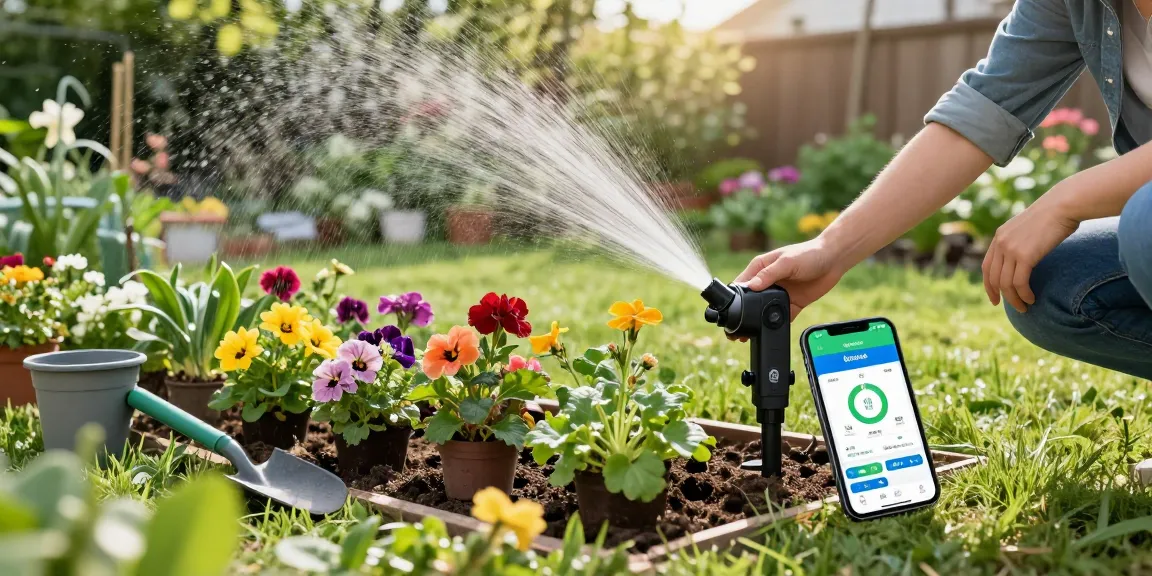
Understanding the Importance of Smart Irrigation
In today’s world, where water conservation is more critical than ever, smart irrigation systems are transforming how we approach gardening and landscaping. These innovative solutions not only help maintain optimal plant health but also contribute significantly to water-saving practices. Among the leading options in smart irrigation technology are rainpoint Irrigation Controllers, which offer a blend of efficiency, convenience, and sustainability for gardeners and homeowners alike.
What Are Rainpoint Irrigation Controllers?
Rainpoint Irrigation Controllers are advanced devices designed to automate the watering process in gardens, lawns, and agricultural settings. Featuring smart technology, these controllers allow users to manage their irrigation systems via mobile applications, enabling real-time adjustments and monitoring based on weather conditions and soil moisture levels. They are built to cater to various watering needs—from sprawling gardens to small indoor plants—ensuring that each plant receives the right amount of water at the right time.
The Benefits of Using Smart Irrigation in Gardening
- Water Efficiency: Smart irrigation systems optimize water usage by providing precise watering schedules tailored to the specific needs of different plants, reducing waste and conserving water.
- Time Savings: With automated schedules, gardeners save time on manual watering, allowing them to focus on other aspects of plant care and maintenance.
- Improved Plant Health: By delivering the right amount of water consistently, smart systems promote healthier plants, resulting in vibrant gardens and crops.
- Cost-Effective: Although there’s an upfront investment, the long-term savings on water bills and improved plant yields can surpass initial costs.
How Smart Irrigation Helps Conserve Water
Water conservation is a global concern, and smart irrigation controllers play a crucial role in addressing this issue. By utilizing rain sensors, soil moisture monitoring, and weather forecasts, these devices adjust watering schedules automatically, ensuring plants receive hydration only when necessary. For example, if rain is forecasted, the system can delay watering, preventing unnecessary water waste. This intelligent approach significantly contributes to drought management and sustainable gardening practices.
Setting Up Your Rainpoint Irrigation Controllers
Implementing a smart irrigation system may seem daunting, but the process can be straightforward with the right guidance. Here, we provide a detailed setup plan for beginners, ensuring you maximize the benefits of your Rainpoint Irrigation Controllers.
Step-by-Step Installation Guide for Beginners
- Unboxing and Components: Check that all components are included: the irrigation controller, hoses, connectors, and any sensors needed.
- Choose Installation Location: Identify a convenient spot for the controller, ideally near a power source and water supply.
- Connect the Hoses: Attach the hoses to the controller as per the provided instructions, ensuring a secure fit to prevent leaks.
- Install Sensors: If using soil moisture sensors, place them a few inches deep in the soil near your plants to accurately gauge moisture levels.
- Power Up: Plug in the controller and ensure it powers on successfully, completing any necessary initial setups as instructed in the manual.
Connecting to Wi-Fi: Tips and Tricks
For full functionality, connecting your Rainpoint Irrigation Controller to Wi-Fi is essential. Here are some helpful tips:
- Check Compatibility: Ensure your home Wi-Fi network is compatible with the device, typically requiring a 2.4GHz connection.
- Use the App: Download the corresponding mobile app and follow the step-by-step instructions to connect your device to your Wi-Fi.
- Reset If Necessary: If encountering issues, resetting the controller may help re-establish the connection.
Maximizing Functionality with the Mobile App
The mobile app associated with your Rainpoint Irrigation Controller is an invaluable tool for managing your irrigation system. It allows you to:
- Set Watering Schedules: Customize watering times and durations for each zone based on the specific needs of your plants.
- Receive Alerts: Get notifications about water usage and any detected issues, such as system malfunctions or leaks.
- Monitor Conditions: Review historical usage data and real-time soil moisture levels to adjust your watering strategy effectively.
Optimizing Water Usage with Smart Controllers
Maximizing the efficiency of your Rainpoint Irrigation Controllers is vital for promoting sustainable gardening practices. Understanding how to adjust your watering strategy based on specific plant needs can create a thriving environment for your garden.
Understanding Soil Moisture Levels
Soil moisture levels play a crucial role in determining the watering needs of your plants. Rainpoint controllers come equipped with sensors that monitor moisture levels, allowing you to:
- Set Optimal Thresholds: Configure the system to water only when moisture drops below a certain level, preventing overwatering.
- Adapt to Seasonal Changes: Adjust settings based on seasonal variations in soil moisture and plant growth patterns.
Customizing Your Watering Schedule for Different Plants
Different plant species have varying water needs. Customizing your watering schedule can significantly impact plant health and growth:
- Group Similar Plants: Plant types that require similar watering amounts can be grouped together in zones for more effective watering.
- Time of Day Matters: Schedule watering during cooler parts of the day, such as early mornings or late afternoons, to minimize evaporation.
Seasonal Adjustments for Optimal Growth
As seasons change, so do the watering needs of your plants. Consider making these adjustments:
- Spring and Summer: Increase watering frequency during hot months, accommodating for evaporation and increased growth rates.
- Fall and Winter: Reduce watering frequency as plants enter dormancy and soil moisture levels remain higher.
Customer Experiences with Rainpoint Irrigation Controllers
Real-life testimonials play a significant role in understanding the effectiveness of any product. Rainpoint Irrigation Controllers have garnered positive feedback from users across various gardening experiences.
Real-life Success Stories from Gardeners
Many gardeners have shared their success stories with Rainpoint products. For instance, one user reported that after implementing a Rainpoint 2 Zone Wi-Fi Water Timer, they observed improved growth in their diverse garden plants without the stress of manual watering. The precise data on water usage helped them appreciate and control their water consumption better.
Common Challenges and How to Overcome Them
While most users have had positive experiences, some challenges may arise:
- Connectivity Issues: Network connectivity problems can disrupt the functionality of smart controllers. Ensure your Wi-Fi signal is strong or consider a range extender.
- Initial Setup Hurdles: Some users report difficulties during the initial setup; following the manufacturer’s guidelines and using troubleshooting tips can alleviate these issues.
Tips from Rainpoint Users for Maximum Efficiency
Feedback from experienced users highlights several tips for getting the most out of Rainpoint Irrigation Controllers:
- Regular Maintenance: Periodically check hoses and connectors for leaks and wear to ensure optimal performance.
- Stay Updated: Keep the app updated to benefit from new features and fixes that enhance usability.
The Future of Smart Irrigation in Gardening
As technology continues to evolve, so too does the potential for smart irrigation solutions. The future of gardening with smart controllers looks promising, driven by emerging trends and innovative technologies.
Emerging Trends to Watch in 2026
Several trends are likely to shape the future of smart irrigation:
- Integration with AI: Machine learning algorithms could provide predictive watering schedules based on environmental changes.
- Enhanced Connectivity: Increased use of IoT devices will facilitate smarter home integration, allowing for seamless control of irrigation systems.
The Role of AI in Modern Gardening Solutions
Artificial intelligence is set to revolutionize the gardening landscape. By analyzing data from various environmental sensors, AI can offer tailored advice on watering needs, pest prevention, and soil health management, ultimately improving plant growth and sustainability.
How Rainpoint is Leading the Way in Smart Irrigation
Rainpoint has established itself as a frontrunner in smart irrigation technology. With innovative features such as advanced soil sensors and user-friendly apps, Rainpoint is committed to providing effective and efficient watering solutions that support sustainable gardening practices.
What Are the Advantages of Using Soil Sensors?
- Precision Watering: Soil sensors allow for targeted watering, minimizing waste and ensuring plants receive adequate moisture.
- Data-Driven Decisions: Real-time data helps gardeners make informed choices about when and how much to water.
How Do Rainpoint Irrigation Controllers Enhance Plant Growth?
By providing consistent and appropriate watering based on specific plant needs, Rainpoint controllers facilitate optimal growth conditions. This leads to healthier plants, increased yields, and aesthetically pleasing gardens.
What Maintenance Is Required for Smart Controllers?
Proper maintenance of Rainpoint Irrigation Controllers is essential to ensure longevity and consistent performance. Regular inspections for leaks, battery checks for wireless devices, and software updates will help maintain your system’s efficiency.