Understanding the Importance of Slot in Meal Preparation
In the world of meal preparation, the concept of "slot" plays a critical role in maximizing efficiency and organization. Slotting refers to the strategic planning of ingredient placement and meal assembly to streamline the cooking process. Proper slot management allows individuals to optimize their kitchen workflow, making meal prep not only quicker but also more enjoyable. When exploring options, slot provides comprehensive insights into creating a more effective meal planning routine.
What Does Slot Mean in Meal Prep?
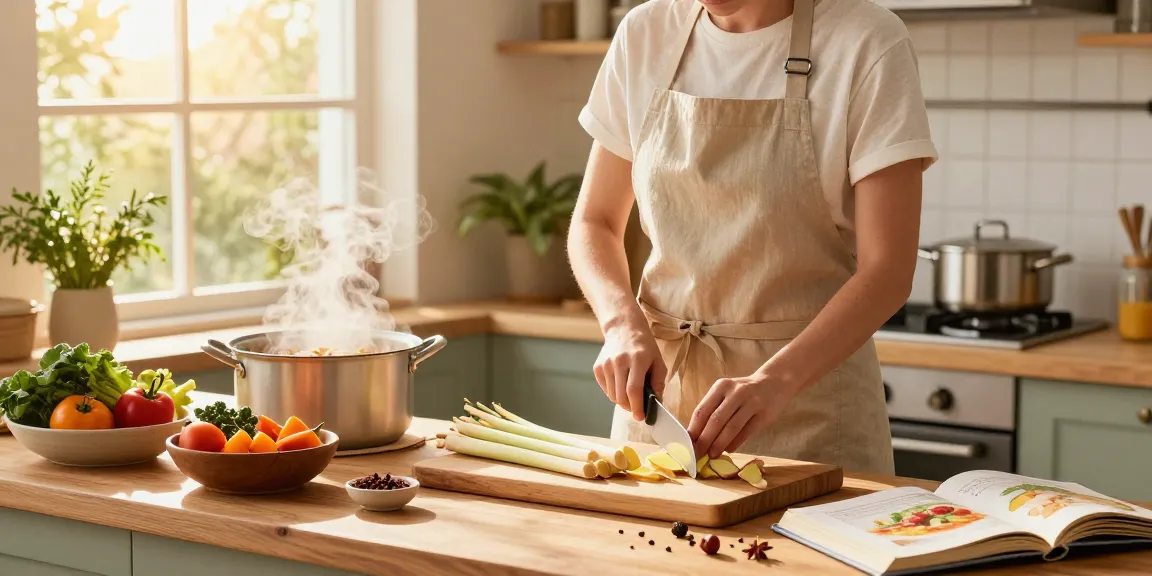
At its core, "slot" in meal prep refers to dedicated spaces assigned for specific ingredients or components within your cooking regimen. This can vary from how one organizes their fridge to how ingredients are arranged on a countertop. For instance, pre-slicing vegetables that will be used throughout the week can be considered a form of slotting, allowing you to grab what you need faster, reducing preparation time significantly. The primary aim of meal slotting is to minimize the chaos often associated with cooking and meal assembly.
Benefits of Effective Slot Management
Effective slot management can yield numerous benefits:
- Time Savings: By having everything organized, meal preparation can be accomplished in less time, allowing for more culinary creativity.
- Reduced Food Waste: Slotting helps in monitoring ingredient usage and freshness, minimizing spoilage.
- Healthier Choices: When ingredients are accessible and visually appealing, individuals are more likely to use them rather than opt for unhealthy takeout options.
- Greater Enjoyment: Streamlining the cooking process can make meal preparation a less stressful and more enjoyable experience.
Common Misconceptions About Meal Slotting
Despite its advantages, several misconceptions surround meal slotting:
- Many believe slotting requires excessive preparation, when in reality, it’s about making small adjustments for greater efficiency.
- Some think that meal slotting is only for large families when it can benefit anyone looking to optimize their kitchen time.
- There is a misconception that slotting involves rigid rules, but it is adaptable to individual preferences and lifestyles.
Best Practices for Optimizing Meal Slots
To make the most out of your meal preparation, consider these best practices for optimizing your slots:
Strategic Slot Placement for Ingredients
When organizing your meals, think about the flow of your cooking process. Ingredients that are frequently used together should be grouped in close proximity. For example, if you often make stir-fries, place your vegetables, sauces, and spices within easy reach of your stovetop. Additionally, consider the use of clear containers that allow you to see what’s available at a glance.
Time Management Techniques for Meal Slots
Time management is crucial in meal slotting. A few effective techniques include:
- Batch Cooking: Prepare large quantities of staples like rice, quinoa, or beans that can be used in multiple meals.
- Time Blocks: Allocate specific times in your week for meal prep, ensuring you maintain consistency.
- Recipe Planning: Plan recipes in accordance with ingredient availability to streamline the process.
Choosing the Right Containers for Meal Slots
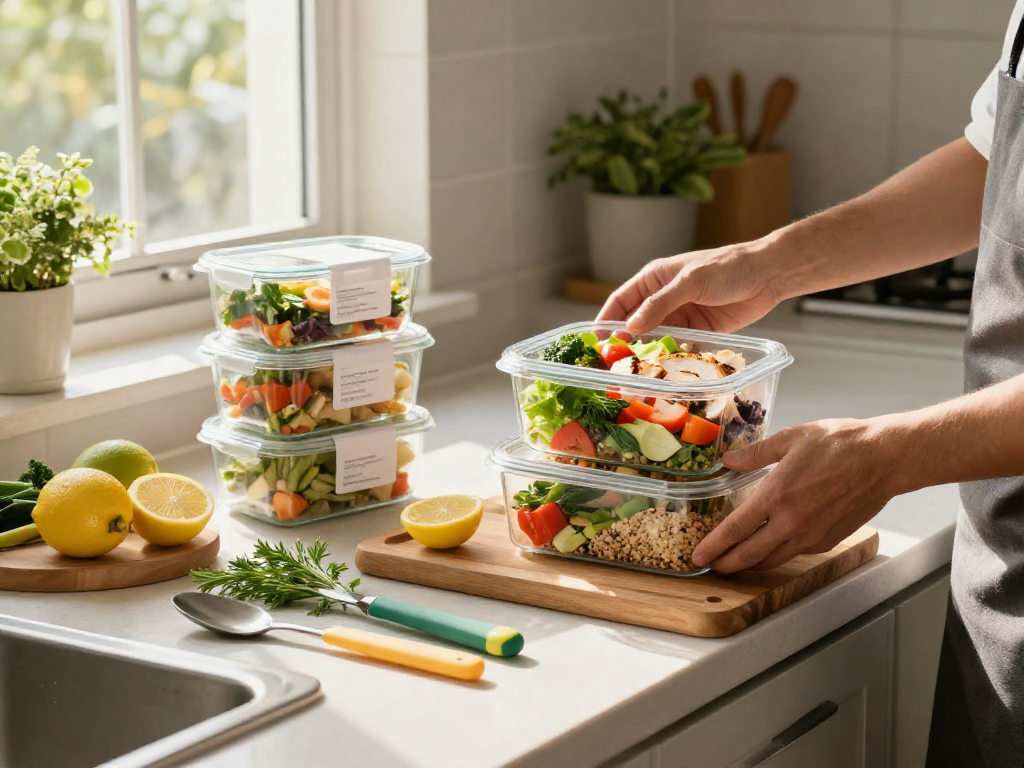
Containers play a pivotal role in effective meal slotting. Opt for stackable, clear, and labeled containers to maximize space and visibility. Glass containers are a great choice as they are microwave-friendly and help keep food fresh for longer. Consider using sectioned containers for meals that require portion control to simplify your lunches or dinners.
Tools and Technologies for Meal Slot Optimization
In our technology-driven world, leveraging tools to enhance your meal slotting experience is essential. Various apps and gadgets have emerged to make meal preparation more efficient.
Apps to Help Define and Manage Meal Slots
Several apps can assist in meal planning and slot management:
- Mise en Place: This app allows you to organize your grocery lists and recipes, making it easier to visualize and manage your meal slots.
- Plan to Eat: An intuitive app that helps you save recipes, create shopping lists, and plan your meals for the week.
- Mealime: This meal-planning app offers personalized recipes based on preferences and dietary restrictions, streamlining your shopping list.
How to Use Tech for Efficient Slotting
Utilizing scheduling tools and reminders on your smartphone can greatly enhance your efficiency. Setting up reminders for when to prep ingredients, cook, or shop can help maintain routine and ensure that nothing goes amiss in your meal prep timeline.
Future Trends in Meal Prep Technology (2026)
As we approach 2026, expect to see advancements such as AI-enabled meal planning that customizes recipes based on dietary preferences and nutritional needs, along with smart kitchens that automate cooking processes. Integrating these technologies will transform the way we approach meal preparation altogether.
Case Studies: Successful Meal Prep Slot Examples
Examining real-world case studies can provide invaluable insights into effective meal slot management.
Real-World Examples of Effective Slot Management
One notable example comes from a meal prep service that organized its kitchen by categorizing ingredients into zones—proteins, vegetables, grains, and sauces. This zone-based system allowed staff to work more quickly and effectively, reducing the time spent searching for items.
Lessons from Meal Prep Experts
Experts recommend starting small; even minor changes in how you slot your kitchen can lead to significant improvements in efficiency. Additionally, they stress the importance of flexibility in your meal prep routine to adapt to changing schedules and food preferences.
Metrics for Measuring Slot Success
To measure the success of your meal slotting, consider tracking:
- Time spent on meal prep.
- Amount of food waste generated.
- Frequency of unhealthy food choices.
- Overall satisfaction with meal preparation and eating experiences.
Looking Ahead: The Future of Meal Slotting
As consumer preferences evolve, so will the strategies surrounding meal preparation. Being aware of trends can help individuals and businesses stay ahead.
Emerging Trends in Meal Preparation and Slotting
The growing demand for convenience and healthy options is driving meal prep innovations. Expect meal slots to integrate more plant-based options and ready-to-eat meals that are both healthy and sustainable.
Preparing for Changes in Consumer Preferences
With a rising awareness of the environmental impact of food choices, consumers are increasingly looking for ways to reduce food waste and improve sustainability in meal prep. Organizations must adapt by offering solutions that align with these values.
Expert Predictions for Meal Prep in 2026
Experts predict that by 2026, meal preparation will heavily leverage technology, with smart refrigerators that can track food inventories and suggest recipes based on what’s available. There will also likely be increased personalization in meal prep based on individual dietary needs and preferences.
What is the best way to organize my meal prep slots?
The best way to organize meal prep slots is by determining your cooking habits and grouping ingredients accordingly. Use clear labeling and visually appealing arrangements to encourage healthy choices.
How can meal slots affect my health and nutrition?
Meal slots can improve health and nutrition by promoting the use of fresh ingredients and reducing the chances of impulse eating and unhealthy choices.
Are there specific tools for optimizing meal prep slots?
Tools such as meal planning apps, portion control containers, and time management systems can significantly enhance meal prep efficiency.
Can meal slotting help reduce food waste?
Yes, effective meal slotting can reduce food waste by ensuring ingredients are used before they spoil and encouraging a focused shopping strategy.
What are the trends in meal prep for 2026?
Trends for 2026 include increased personalization, smart kitchen technology integration, and a strong emphasis on sustainability and plant-based options, catering to health-conscious consumers.