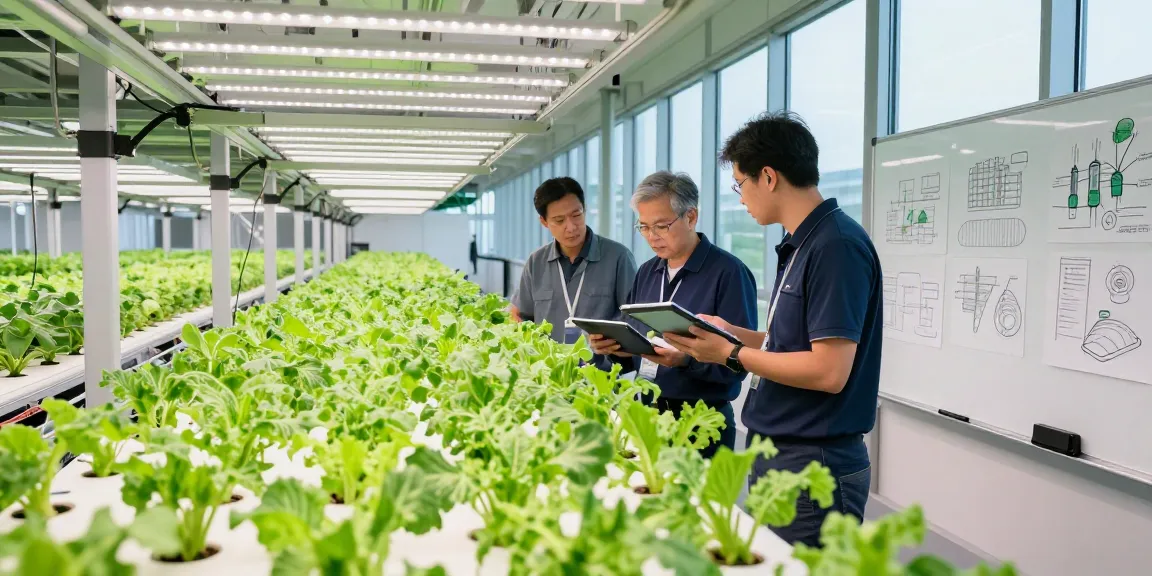
Understanding the Importance of Indoor Agriculture
Indoor agriculture has emerged as a crucial component in ensuring food security and mitigating the effects of climate change. As urbanization continues to rise and arable land decreases, innovative farming methods such as vertical farming and controlled environment agriculture (CEA) offer sustainable solutions for growing food. These methods enable year-round production, reduce transportation costs, and minimize resource usage, making them essential for future food systems. With challenges regarding traditional farming creeping up, the significance of indoor agriculture cannot be overstated. Exploring solutions like the cika4d link aids stakeholders in navigating this dynamic landscape.
What is Indoor Agriculture?
Indoor agriculture refers to the practice of cultivating crops within a controlled indoor environment. This approach can take many forms, including greenhouses, vertical farms, and hydroponic systems. By utilizing technologies that regulate light, temperature, humidity, and nutrients, indoor agriculture creates optimal growing conditions that can lead to enhanced crop yields and quality. This innovative method addresses challenges such as seasonality and climatic variability, enabling farmers to produce food regardless of external environmental conditions.
Benefits of Controlled Environments for Crop Production
Controlled environments offer several key benefits for crop production:
- Year-Round Production: Indoor agriculture allows for continuous cultivation of crops regardless of weather conditions, facilitating consistent supply.
- Reduced Resource Use: Efficient water and nutrient management systems minimize waste and environmental impact.
- Increased Yields: Optimized environmental conditions often lead to higher crop yields and better quality produce.
- Pest and Disease Control: Indoor systems can reduce exposure to pests and diseases, thus decreasing the need for chemical pesticides.
Key Technologies Driving Indoor Farming
Several key technologies underpin the success of indoor farming, including:
- LED Lighting: Energy-efficient lighting systems that simulate natural sunlight and optimize photosynthesis processes.
- Climate Control Systems: Technologies that monitor and adjust temperature, humidity, and airflow to maintain ideal growing conditions.
- Hydroponics and Aeroponics: Soil-less growing methods that deliver nutrients directly to the plant roots, enhancing growth rates.
- Data Analytics: Advanced software that analyzes environmental data to optimize growth conditions and resource use.
Exploring CIKA4D Link Solutions
CIKA4D stands at the forefront of innovative design and construction for indoor agriculture facilities. Employing a multifaceted approach, CIKA4D integrates advanced technologies into their solutions, ensuring that each project is tailored to meet the specific needs of clients. From consultation to execution, the expertise of CIKA4D facilitates the development of optimal indoor farming environments.
Overview of CIKA4D Technologies
CIKA4D leverages cutting-edge technologies to transform indoor agriculture processes. This includes the use of smart sensors for real-time monitoring, automated climate control systems, and advanced irrigation techniques that enhance both productivity and sustainability. Their team of experts ensures that these technologies are seamlessly integrated into each facility, maximizing efficiency and yields.
Integration of Design and Construction Services
One of the key advantages of working with CIKA4D is the seamless integration of design and construction services. This ensures that every aspect of the facility, from layout to operational systems, is carefully planned and executed. By coordinating all phases of development, CIKA4D minimizes delays and optimizes resource allocation, leading to successful project completions.
How CIKA4D Addresses Common Indoor Farming Challenges
Indoor agriculture often faces various challenges, such as high energy costs, inefficient resource management, and complex regulatory requirements. CIKA4D addresses these issues by providing tailored solutions that enhance operational efficiency and reduce overhead costs. For example, by using energy-efficient lighting and climate control systems, CIKA4D helps minimize energy expenditures while maintaining optimal growing conditions.
Maximizing Efficiency in Indoor Agriculture
To fully harness the benefits of indoor agriculture, operators must focus on maximizing efficiency throughout their operations. Here are some best practices that can be easily implemented:
Best Practices for Energy Management
- LED Lighting: Utilize energy-efficient LED lighting to reduce energy consumption while providing adequate illumination for plant growth.
- Smart Controls: Implement automated systems that adjust lighting and climate based on real-time data.
- Insulation: Ensure facilities are well-insulated to reduce heating and cooling costs.
Optimizing Climate Control Systems
Effective climate control is crucial for successful indoor agriculture. Operators should focus on:
- Regular Monitoring: Utilize sensors to continuously monitor temperature and humidity levels.
- Adaptive Strategies: Adjust environmental controls based on external weather conditions.
- Integration: Use a centralized management system to coordinate all climate control elements for maximum efficiency.
Evaluating Yield Metrics for Success
Measuring the success of an indoor farming operation is essential. Key metrics to evaluate include:
- Crop Yield: Track production levels per square foot to assess productivity.
- Resource Use Efficiency: Monitor water and nutrient inputs against yield outputs.
- Growth Rates: Analyze how quickly crops reach marketable size under various conditions.
Future Trends in Indoor Farming
As indoor agriculture continues to evolve, several trends are emerging that stakeholders should be aware of:
Emerging Innovations to Watch in 2026
The future of indoor agriculture will likely be shaped by innovations such as:
- Artificial Intelligence: AI technologies will streamline operations, from planting to harvesting, enabling smarter decision-making.
- Blockchain Technology: Enhanced transparency in tracking the supply chain, aiding in food safety and compliance.
- Biotechnology: Advancements in genetic engineering can lead to crops being more resilient and productive under indoor conditions.
Sustainability Practices in Controlled Agriculture
The push for sustainability is driving indoor agriculture practices that prioritize environmental responsibility. Key practices include:
- Circular Economy: Reusing resources within the facility to minimize waste and reduce costs.
- Local Sourcing: Using locally sourced materials and inputs to decrease transportation emissions.
- Waste Management Systems: Implementing systems to recycle plant waste into nutrient-rich compost.
Global Market Predictions for Indoor Farming
The global market for indoor agriculture is expected to continue its exponential growth. Predictions indicate a surge in investments as more farmers recognize the potential of indoor systems. By 2026, the indoor farming market is projected to expand significantly, offering vast opportunities for innovation and development.
Real-World Applications and Case Studies
Examining successful indoor agriculture implementations provides valuable insights into best practices and potential pitfalls. Here’s a closer look:
Successful CIKA4D Projects Review
CIKA4D has completed numerous projects that showcase its expertise in indoor agriculture. By collaborating with clients to apply tailored solutions, each facility has achieved impressive outcomes, from increased yields to reduced operational costs.
Industry Leaders Utilizing Indoor Agriculture
Major players in the agriculture sector are increasingly adopting indoor farming. Companies leveraging indoor agriculture technologies have reported enhanced product consistency and a more sustainable approach to farming. Their success stories highlight the critical role of design and construction in maximizing efficiency.
Lessons Learned from Implementation Challenges
While many projects have succeeded, challenges do arise during implementation. Common issues include logistical hurdles, budget constraints, and technical obstacles. Learning from these experiences is crucial for future projects, allowing stakeholders to refine their approach and improve sustainability.
What are the main benefits of using CIKA4D solutions?
CIKA4D solutions provide numerous advantages, including enhanced efficiency, tailored systems for specific yields, and expert support throughout the project lifecycle.
How does indoor agriculture impact food security?
Indoor agriculture enhances food security by enabling year-round crop production, reducing dependency on external supply chains, and producing food closer to urban consumers.
What technologies are essential for indoor farming?
Essential technologies include advanced climate control systems, LED lighting, hydroponic systems, and data analytics for optimizing operations.
How can CIKA4D improve energy efficiency?
CIKA4D improves energy efficiency through the utilization of smart technology, optimized resource management, and integration of energy-efficient systems.
What future trends should we expect in indoor agriculture?
Future trends in indoor agriculture will include AI integration, biotechnology advancements, and a greater emphasis on sustainability practices.